
 At the beginning of July, I went on a not-so-summery holiday to Cornwall. We were a lovely half-hour coastal walk from St. Ives, where I found plenty of delightful tea shops and brilliant bookshops to keep me more than happy on the rainy and windy days when others braved the beach. It was in a very friendly Oxfam Bookshop that I found The House on the Strand. I was about half way through the week, struggling with a book that I wasn’t really in the mood for, and had a sudden craving for Daphne du Maurier. Is there a better place to read her books than Cornwall?
When I tried to explain the plot, I was simply laughed at: The narrator, Richard Young is going through a bit of a mid-life crisis and after quitting his job as a publisher, escapes to his old university friend Magnus’ house in Cornwall. He has one week until his wife and step children turn up and his dear friend has asked a rather odd favour. Magnus, a biophysicist, has created a secret drug that can take you back in time by 600 years (that’s the bit where people start laughing) and asks Richard to be his guinea pig. My biggest problem with this book is that it’s just too unrealistic. But however silly the storyline sounds, Daphne du Maurier manages to make it a chillingly serious tale. Continue reading
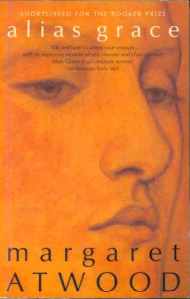 When I saw this in the Oxfam bookshop at only £2.49, I simply had to grab it before someone else did! I was told by a fellow volunteer that Alias Grace was ‘the most accessible Atwood book’. Not that I was worried – I’ve never had a problem getting stuck into one of her books before, in fact it’s always been the opposite. So, I was quite confused with how long it took me to start enjoying this book. Was it me? Alias Grace has all the ingredients for an unputdownable, thrilling read – a real life, infamous Canadian murder, a woman incarcerated for years, while her supposed paramour is hanged – so why was I finding it so hard to get into?


 Bundle of Books